


-30%


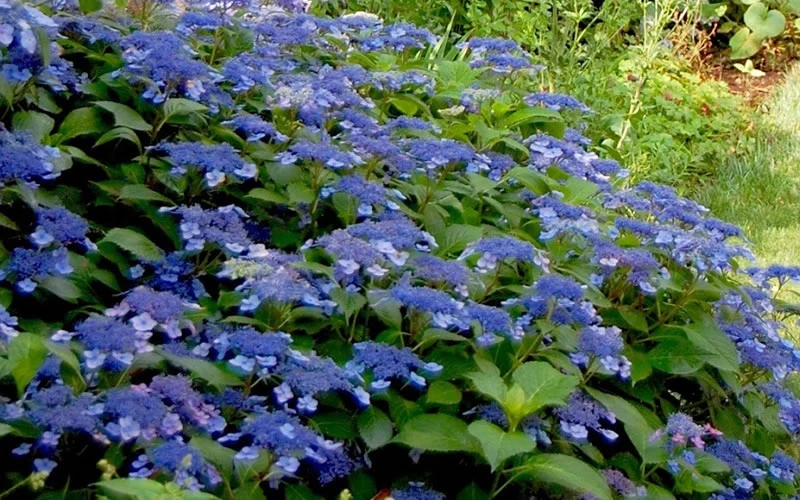
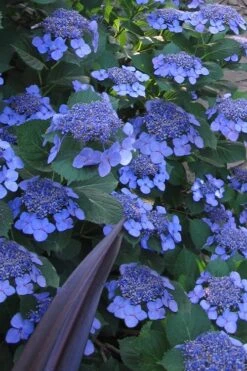
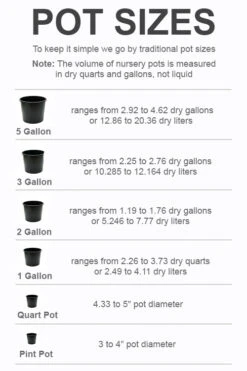


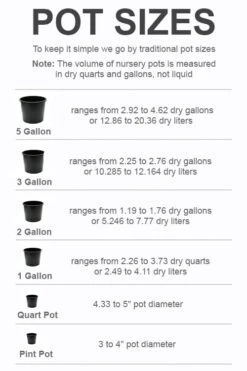
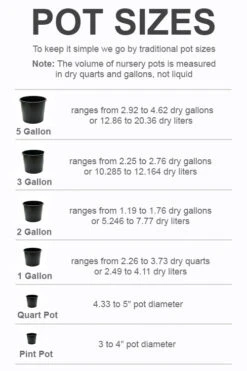
Bluebird Hydrangea – 2 Gallon Pot
Original price was: $58.97.$41.28Current price is: $41.28.
- Secure Payments, Secure Shopping
- Your happiness, our mission.
- The best quality products, always.
- Excellent customer service online in a timely manner

Bluebird Lacecap Hydrangea
Hydrangea serrata ‘Blue Bird’
Plant Details
USDA Plant Hardiness Zones: 5a-8a Find Your Zone
Shrub Type: Deciduous Flowering Shrub
Height at Maturity: 5-6′
Width at Maturity: 4-6′
Spacing: 3-4′ apart for solid hedges; 8’or more apart for space between plants
Growth Habit / Form: Bushy, Dense, Globose/Round, Mounding
Flower Color: Blue shades in acid soil, Pink shades in Alkaline soil
Flower Size: Large – up to 6-8″ inch diameter
Flowering Period: Summer
Flower Type: Lacecap
Fragrant Flowers: No
Foliage Color: Green
Fragrant Foliage: No
Berries: NA
Berry Color: NA
Sun Needs: Part Shade, Morning Sun, Filtered Sun (South) – Sun or Part Shade (North)
Water Needs: Average, Lower when established
Soil Type: Clay (amended), Loam, Sand (amended), Silt
Soil Moisture / Drainage: Well Drained Moist
Soil pH: 6.0 – 8.5 (Moderately Acid to Moderately Alkaline)
Maintenance / Care: Low
Attracts: Visual Attention
Resistances: Disease, Drought (when established in part shade), Heat, Humidity, Insect
Description
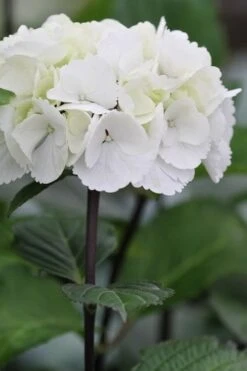
A beautiful sight to behold, in full bloom the Bluebird Hydrangea produces LOADS of some of the most beautiful flowers we’ve ever seen on a Hydrangea. The lacecap flowers consist of hummingbird-blue center florets surrounded by a ring of light lavender-blue flowers. The flowers will bloom blue shades in acid soils and pink to lavender shades in alkaline neutral soils. Aluminum sulfate can be applied to increase the acidity of the soil. The leaves of Bluebird Hydrangea are large and bright green in color, and turn to an attractive red in fall.
Landscape & Garden Uses
Growing 5 to 6 feet tall and 4 to 6 feet wide in a rounded mound, Bluebird Hydrangea can be grown in garden beds or containers. It is ideal for use as a specimen or accent in home foundation plantings, flowering shrub borders and perennial gardens. In larger landscape spaces it is especially dramatic in small to large groupings or in straight or staggered rows as a colorful hedge.
Suggested Spacing: 3 to 4 feet apart for solid hedges; 8 feet or more apart for space between plants
Growing Preferences
The Bluebird Hydrangea is very easy to grow in most any moist but well-drained soil with average fertility and full sun to part shade in northern zones and part shade (morning sun with afternoon shade or filtered sun) in southern zones. For best flowering, we suggest 4 hours of direct sun light per day. As with so many other ornamental plants, a constantly soggy or wet soil is problematic. Flower color is your choice. Acidic soils will make blue flowers while a neutral to slightly alkaline soil will make pink to lavender flowers.
Get tips for proper pruning time and technique in our article titled How To Prune Various Types Of Hydrangea
Helpful Articles
Click on a link below to find helpful advice from our experts on how to plant, fertilize, prune and water Hydrangea shrubs…
How To Plant Hydrangeas In The Ground & Pots
How To Prune Various Types Of Hydrangea
How To Fertilize And Water Hydrangeas
Plant Long & Prosper!
Meet The Wilson Brothers & Staff
Questions? Contact Us
Be the first to review “Bluebird Hydrangea – 2 Gallon Pot”
Related products
-30%
Original price was: $99.97.$69.98Current price is: $69.98.
-37%
Original price was: $159.97.$99.99Current price is: $99.99.
-30%
Original price was: $39.97.$27.98Current price is: $27.98.
-30%


Original price was: $89.97.$62.98Current price is: $62.98.
-30%
Original price was: $31.85.$22.30Current price is: $22.30.
-51%
Original price was: $199.97.$96.99Current price is: $96.99.
-30%
Original price was: $49.97.$34.98Current price is: $34.98.
-30%
Original price was: $89.97.$62.98Current price is: $62.98.
Reviews
There are no reviews yet.