


-30%

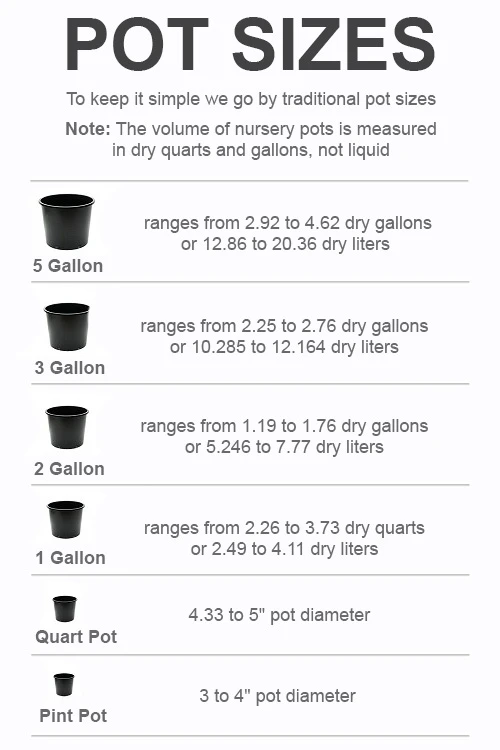
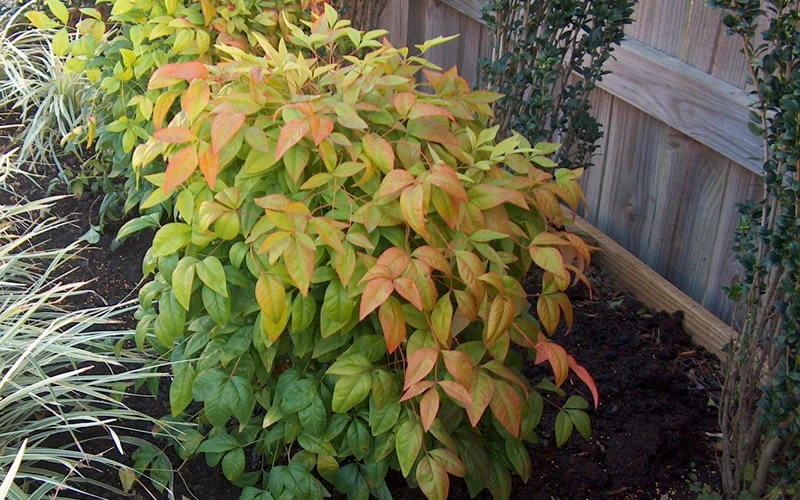
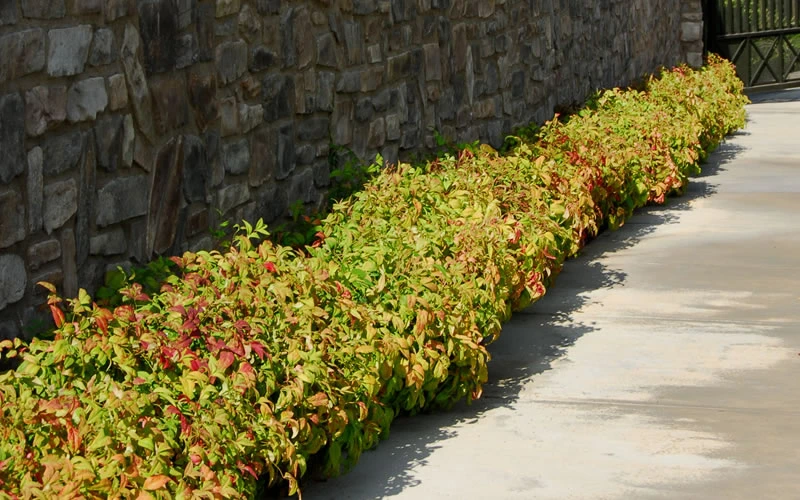
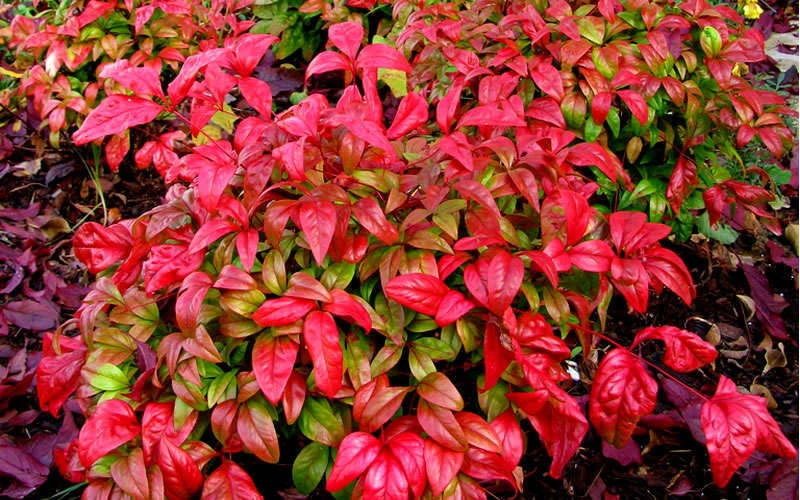
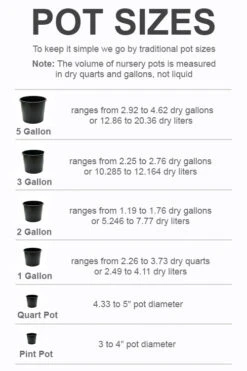
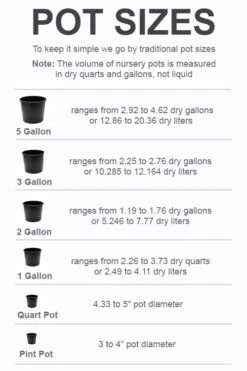
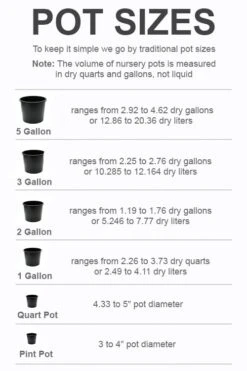
Firepower Dwarf Nandina – 1 Gallon Pot
Original price was: $33.97.$23.78Current price is: $23.78.
- Secure Payments, Secure Shopping
- Your happiness, our mission.
- The best quality products, always.
- Excellent customer service online in a timely manner

Firepower Nandina
Nandina domestica ‘Firepower’
Plant Details
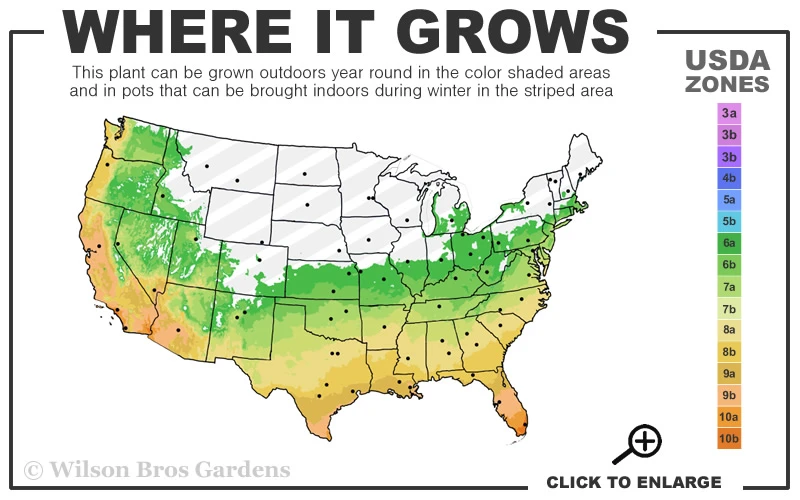
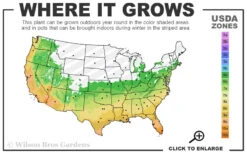
USDA Plant Hardiness Zones: 6a-11 Find Your Zone
Plant Type: Evergreen Shrub
Height at Maturity: 2-2.5′
Width at Maturity: 2-2.5′
Growth Habit / Form: Round,Globose, Dense, Upright
Growth Rate: Moderate
Flower Color: None
Flower Size: NA
Flowering Period: NA
Flower Type: NA
Fragrant Flowers: NA
Foliage Color: Medium Green, Fire-Red in Winter
Fragrant Foliage: No
Berries: No
Berry Color: NA
Sun Needs: Full to Mostly Sun. Shade or Mostly Shade, All Day Filtered Sun, Morning Sun With Afternoon Shade. Morning Shade with Afternoon Sun
Water Needs: Very Low when established
Soil Type: Clay (Amended), Loam, Sandy, Silty
Soil Moisture / Drainage: Well Drained Moist to Dry
Soil pH: 6.0 – 7.5 (Slightly Acid to Slightly Alkaline)
Maintenance / Care: Very Low
Attracts: Visual Attention
Resistances: Deer – more info, Disease, Drought, Dry Soil, Heat, Insect
Description
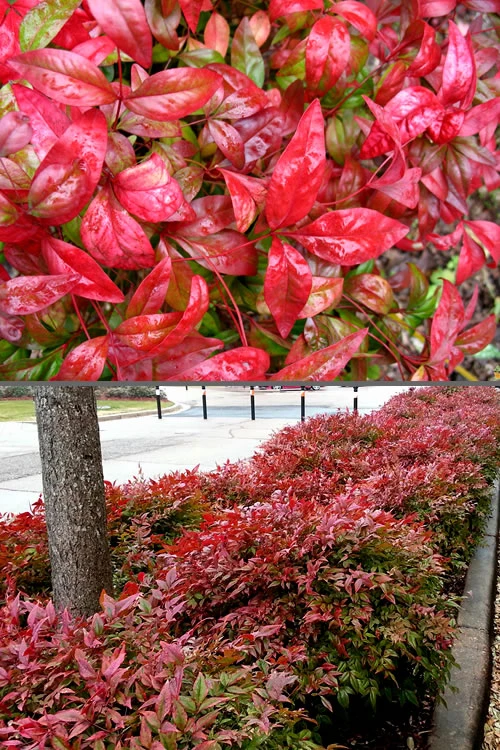
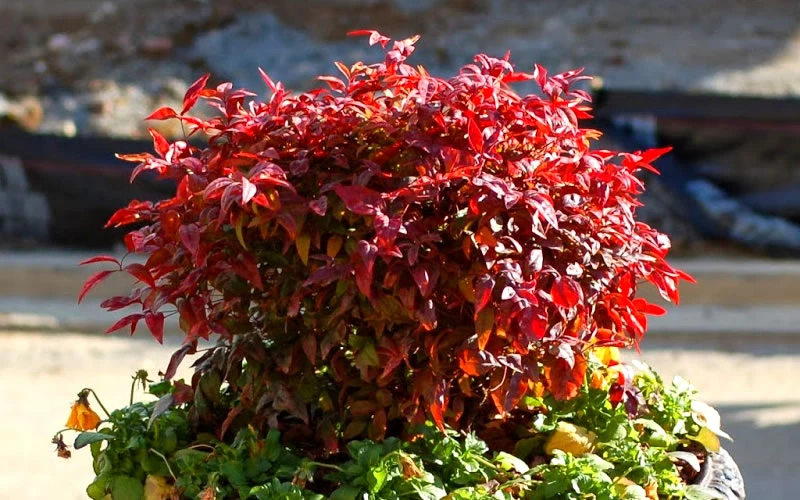
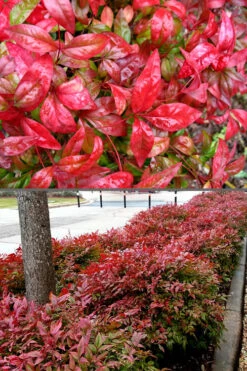
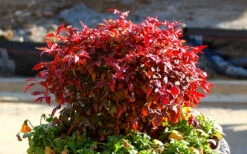
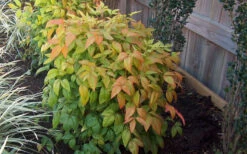
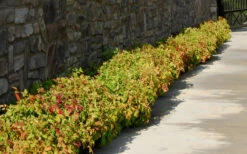
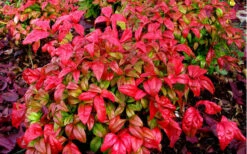
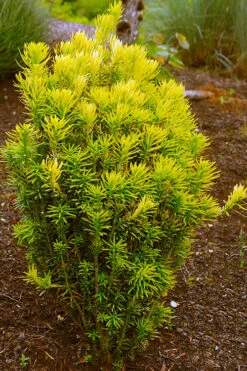
True to its name, ‘Firepower’ Dwarf Nandina displays brilliant, blazing fire-red foliage during winter on globe shape shrubs that reach 2 to 2.5 feet tall and wide at maturity. A winter-long stunning display when planted in groupings, massed, or as a colorful low hedge or border. Spring foliage is lime green turning to a medium green during summer. Exceptionally drought tolerant when established and does not like wet feet. Whether growing in the ground or in pots, sharp soil drainage is a must for this one!
Landscape & Garden Uses
Growing naturally in a rounded form to 2 to 2.5 feet tall and wide, the Firepower Nandina an excellent choice for stunningly colorful groupings or mass plantings in sunny to partially shaded landscape borders and home foundation plantings. Also ideal for use to line walkways and paths. An excellent accent or centerpiece in container gardens, Firepower is also a fine addition to red theme gardens, rock gardens, and Xeriscape gardens (low water needs).
Spacing: 2 feet apart for solid hedge or mass planting; 4 feet or more apart for space between plants
How To Measure Total Square Feet Of A Planting Area
How Many Plants Needed To Cover A Planting Area?
Note: For our customers who live and garden north of USDA Plant Hardiness Zone 6a, where this Nandina variety is not reliably winter hardy, you’ll be happy to know it can be grown in containers that can be brought indoors during winter and placed back outside when temperatures warm up in spring.
Growing Preferences
Firepower Nandina is exceptionally easy to grow in most any average moist but well drained soil and full sun to part shade. Plants are exceptionally drought tolerant when established. As with so many other shrubs, constantly wet or soggy can cause root rot and other plant diseases. Exceptionally low maintenance requiring little if any pruning. Its low water needs makes it highly suitable for Xeriscape gardening.
Helpful Articles
Click on the link below to find helpful advice from our experts on how to plant and care for Nandina.
Learn How To Plant, Feed, Prune & Water Nandina Plants
Plant Long & Prosper!
Meet The Wilson Brothers & Staff
Questions? Contact Us
Be the first to review “Firepower Dwarf Nandina – 1 Gallon Pot”
Related products
-30%
Original price was: $44.97.$31.48Current price is: $31.48.
-42%

Original price was: $169.97.$97.99Current price is: $97.99.
-30%
Original price was: $63.85.$44.70Current price is: $44.70.
-30%
Original price was: $49.97.$34.98Current price is: $34.98.
-35%


Original price was: $149.97.$96.99Current price is: $96.99.
-30%

Original price was: $49.97.$34.98Current price is: $34.98.
-30%

Original price was: $29.85.$20.90Current price is: $20.90.
-30%


Original price was: $89.97.$62.98Current price is: $62.98.
Reviews
There are no reviews yet.