


-30%
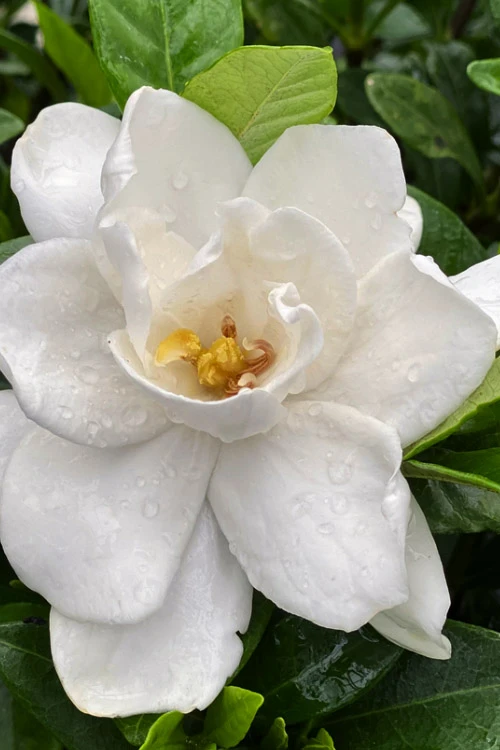
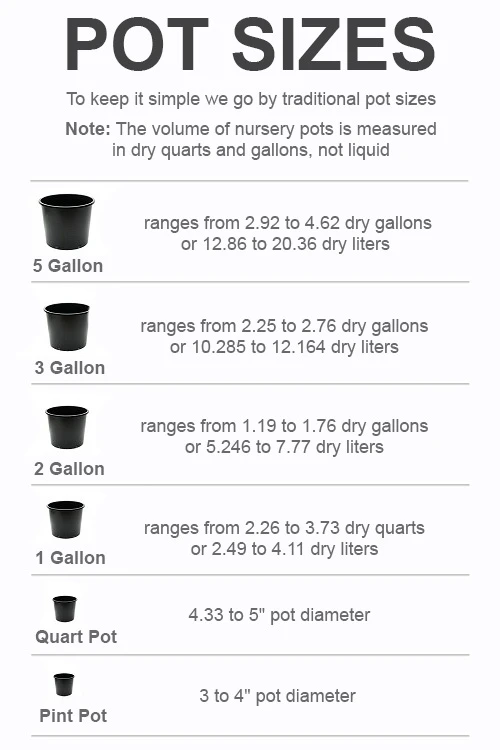
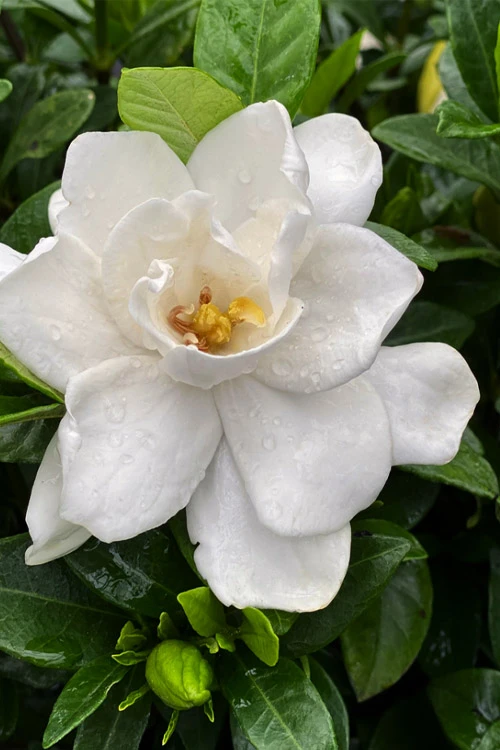

Pillow Talk Gardenia – 3 Gallon Pot
Original price was: $89.97.$62.98Current price is: $62.98.
- Secure Payments, Secure Shopping
- Your happiness, our mission.
- The best quality products, always.
- Excellent customer service online in a timely manner

Pillow Talk Gardenia
Gardenia jasminoides ‘SMNGDUO‘ PP 35,036
Other Names: Cape Jasmine’
Plant Details
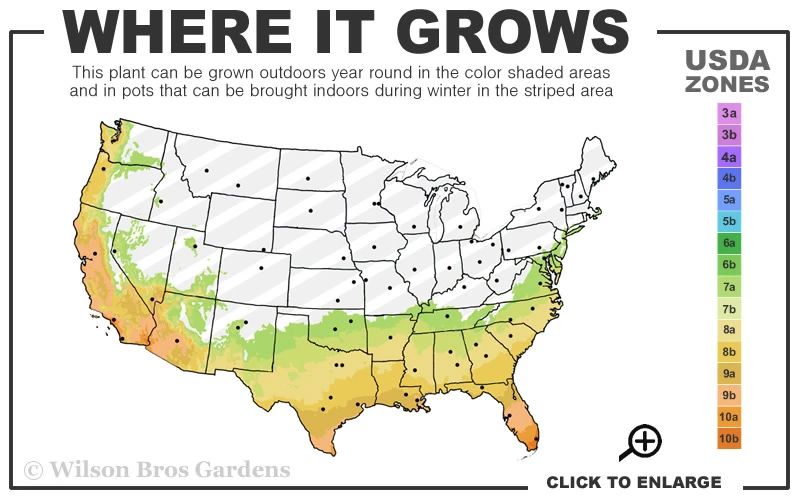
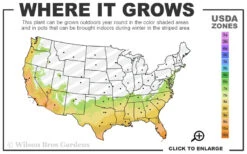
USDA Plant Hardiness Zones: 7a-11 Find Your Zone
Shrub Type: Evergreen Flowering Shrub
Height at Maturity: 3-3.5′
Width at Maturity: 3-4′
Spacing: 3′ apart for solid hedge; 6’+ apart for space between plants
Growth Habit / Form: Bushy, Dense, Mounding, Upright
Flower Color: White
Flower Size: 2-3″
Flowering Period: Spring
Flower Type: Double
Fragrant Flowers: Yes – extremely fragrant!
Foliage Color: Dark Green
Fragrant Foliage: No
Berries: No
Berry Color: NA
Sun Needs: Full Sun, Morning Sun with Afternoon Shade or Filtered Sun, All Day Filtered Sun
Water Needs: Average, Lower when established
Soil Type: Clay (well draining), Loam, Sandy, Silt
Soil Moisture / Drainage: Moist But Well Drained
Soil pH: 5.0- 6.5 (Acid)
Maintenance / Care: Low
Attracts: Visual Attention
Resistances: Deer – more info, Heat (to Zone 11), Humidity, Insect
Description
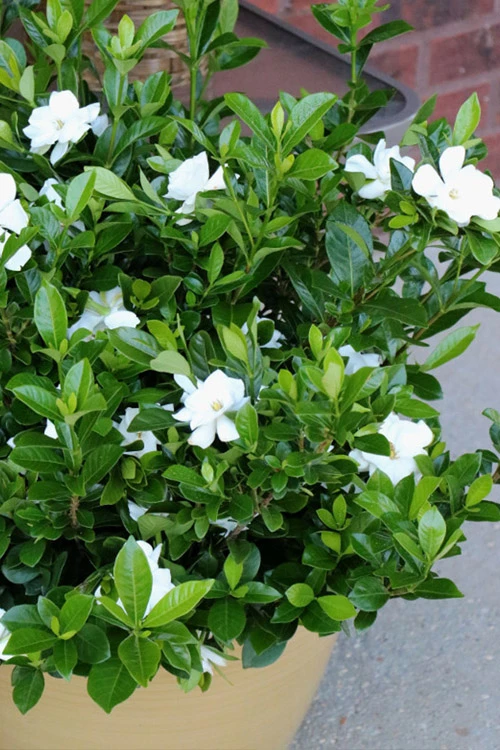
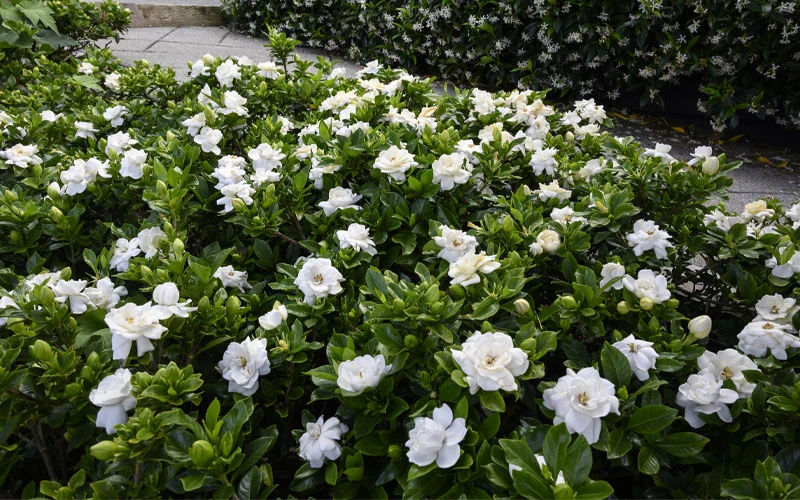
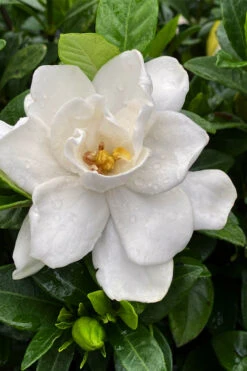
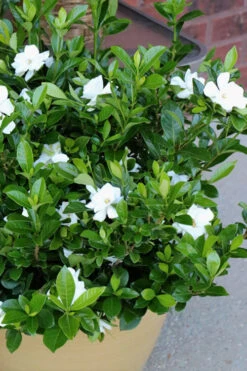
With a tidy, dense and mounding habit similar to the ‘Daisy Gardenia’, reaching maybe 3.5 feet tall and 4 feet wide, Pillow Talk Gardenia features abundant, large, double flowers similar in size and appearance to those of ‘August Beauty’. The blooms are produced in spring filling the air with that sweet heavenly fragrance we gardenia lovers love, and they stand out remarkably well against the lustrous, deep green leaves. This one has handled both our extreme heat and humidity here in north-central Georgia, and all the way down to USDA Zone 11 in south Florida, and we hear it withstands cold temperatures to 5F in USDA Zone 7. While most gardenias prefer some shade in the midafternoon, Pillow Talk thrives in full sun, even in Florida. Excellent as a specimen in small garden spaces and containers or in groupings or as a hedge where space allows. Perfect in home foundation plantings and around patios, decks, porches and other outdoor sitting and living spaces.
Landscape & Garden Uses
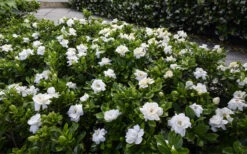
Growing in a mound 3 to 3.5 feet tall and 4 feet wide, the Pillow Talk Gardenia is ideal for use as a lovely specimen in smaller garden spaces and containers or in groupings or as a low hedge in sunny to partially shaded landscape borders and home foundation plantings. Perfect on or around patios and other outdoor sitting and living spaces where the pretty flowers and wonderful fragrance of the flowers can be enjoyed from close up. In Zone 7 we would suggest locating this one on the east side of the home or other structures to protect from the north winter winds. A fine addition to fragrance gardens, white theme gardens and cottage gardens.
Suggested Spacing: 3 feet apart for solid hedge; 6 feet or more apart for space between plants
Growing Preferences
Pillow Talk Gardenia is exceptionally easy to grow in most any moist but well-drained acidic soil of average fertility and full sun to part shade. We’d suggest at least 4 hours of sunlight per day for best density and flowering. As with so many other ornamental plants, constantly soggy or wet soils can cause root rot or other plant diseases. In USDA Zone 7, we suggest planting on the east side of the home or other tall structure to protect form winter winds out of the west. USDA Zones: 7a-11 Find Your Zone
Soil pH is important!
To flower their best and maintain deep green foliage color, all Gardenia require an acid to moderately acid soil ranging from 4.5 to 6.0 on the pH scale. Alkaline soil cause yellowing of foliage and flowering will be diminished.
Soil pH is a measurement of the alkalinity or acidity of soil and is measured on a scale of 1-14, with 7 as the neutral mark. Any measurement below 7 indicates acid soil conditions, and anything above 7 indicates alkaline. If you’re unsure about the pH of your soil and whether or not it’s suitable for growing Gardenia it’s a good idea to test the soil pH in the planting area. You can quickly test soil pH with an inexpensive soil pH tester probe or kit.
To lower the pH (make more acid) you can apply Soil Sulfur, Aluminum Sulfate, or Chelated Iron. Adding organic compost to the soil or using compost as mulch can also help to increase acidity and maintain acid soil conditions.
Learn More: What is Soil pH & How To Test & Adjust It
Helpful Articles
Click the link below to find helpful advice from our experts on how to plant, fertilize, prune and water Gardenia plants.
How To Plant & Care For Gardenias
Plant Long & Prosper!
Meet The Wilson Brothers & Staff
Questions? Contact Us
Be the first to review “Pillow Talk Gardenia – 3 Gallon Pot”
Related products
-37%
Original price was: $159.97.$99.99Current price is: $99.99.
-30%
Original price was: $99.97.$69.98Current price is: $69.98.
-30%

Original price was: $49.97.$34.98Current price is: $34.98.
-30%


Original price was: $36.85.$25.80Current price is: $25.80.
-30%


Original price was: $89.97.$62.98Current price is: $62.98.
-30%
Original price was: $27.97.$19.58Current price is: $19.58.
-30%
Original price was: $39.97.$27.98Current price is: $27.98.
-30%


Original price was: $49.97.$34.98Current price is: $34.98.
Reviews
There are no reviews yet.